1
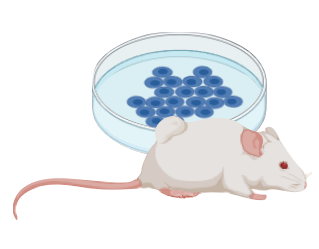
In Vivo Models for Oncology Research
Wide range of in vivo models to evaluate tumour growth, uptake, and therapeutic efficacy.
Whether you're an academic collaborator co-developing a new tracer or an industry team validating a clinical candidate, MIRF brings together the instrumentation, expertise, and translational ecosystem to support your work.
Work with us as a true partner on a study — from study design through analysis. Co-authorship on resulting publications, joint grant participation where appropriate, and full access to our methods and software (MIRA, MOSAIC). Best for hypothesis-driven research.
Hire us to run a specific imaging study — pre-IND, biodistribution, dosimetry, target validation, or a custom workflow. Fast turnaround, clear deliverables, UILO contract support, and full regulatory documentation.
Already have data? We also offer standalone analysis — send us your own imaging or ex vivo datasets and we'll handle the PK/PD, dosimetry, and biodistribution modeling. No need to run the full study with us. Ask about analysis‑only →
Students and new researchers — see our workshops & training.
A full preclinical imaging workflow under one roof — from animal models through quantitative data analysis, supporting research in oncology, radiotheranostics, and drug delivery.
Wide range of in vivo models to evaluate tumour growth, uptake, and therapeutic efficacy.
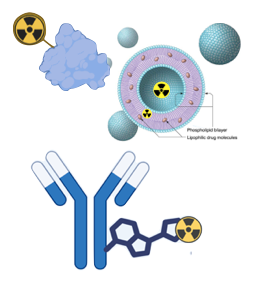
Custom radiotracer synthesis through our TRIUMF and UBC Pharmaceutical Sciences collaborators — using both conventional isotopes (¹¹¹In, ⁶⁷Ga, ⁹⁹ᵐTc) and exotics (²²⁵Ac, ²²⁷Th…).
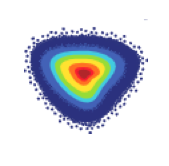
Quantitative PET/SPECT/CT imaging to track drug biodistribution, clearance, and target-specific accumulation over time.
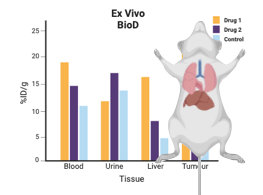
Essential for validating in vivo imaging findings and dosimetry studies. Ideal for low-activity tracers where imaging sensitivity may be limited. Optional tissue extraction and preservation for histology.
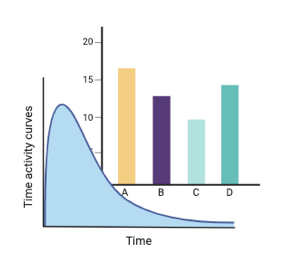
Pharmacokinetic and dosimetry modeling using quantitative imaging data and biodistribution metrics &mdas. Available as part of a full study or on your own imaging and ex vivo data.
A typical project moves through 5 stages, with ongoing coordination from project setup through final reporting. We handle protocol design, contract support via UBC's UILO, and regulatory documentation.
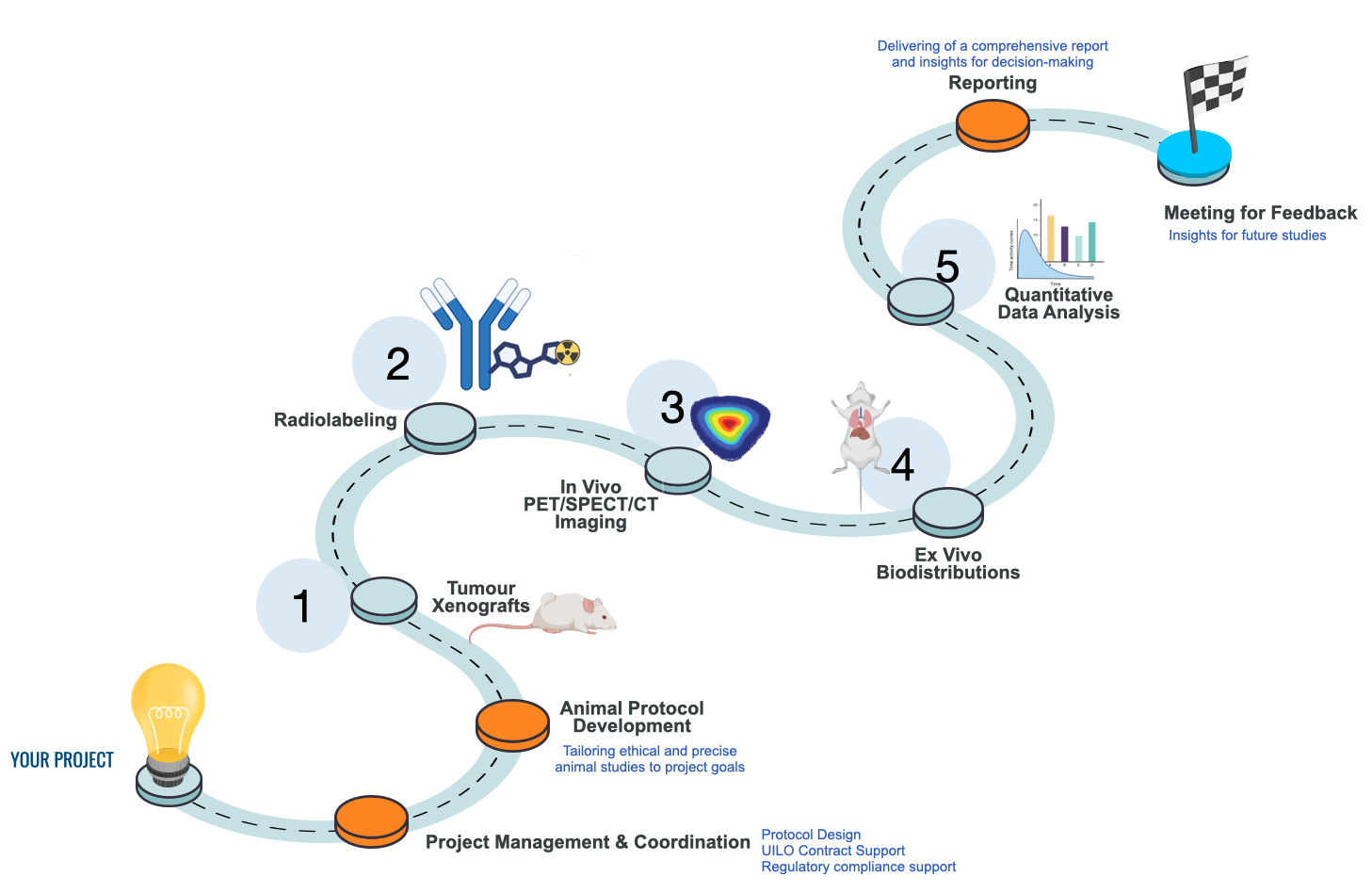
Project management & coordination · Animal protocol development · Radiolabeling · In vivo PET/SPECT/CT imaging · Ex vivo biodistribution · Quantitative data analysis · Meeting for feedback & final report
Most preclinical imaging happens in disconnected pieces — animal facility here, scanner there, radiochemistry somewhere else. MIRF puts it all in one place, with the partnerships and infrastructure that make rare and time-sensitive studies possible.
Custom radiotracer synthesis through three Vancouver-area collaborators — TRIUMF (Canada's national particle accelerator), UBC Pharmaceutical Sciences, and Simon Fraser University. Supports both conventional and exotic isotopes.
MIRF sits inside UBC's Centre for Comparative Medicine (CCM) — the largest animal research facility in BC — with 24/7 on-site veterinary care, an in-house histology facility and expertise, and proximity to the adjacent 9.4T preclinical MRI suite for multimodal imaging collaborations.
Multi-pinhole VECTor/CT enables simultaneous dual-isotope imaging that most preclinical scanners can't do. Conventional and exotic isotopes both supported via our radiochemistry partnerships.
In-house quantitative imaging analysis — using the right tools for each project, including software we develop ourselves — plus deep methodological expertise from our team. Standardized, documented methods, so your results stay reproducible.
Raw and reconstructed datasets in standard formats, ready for further analysis.
PK/PD curves, biodistribution tables, dosimetry calculations, ROIs.
Written interpretation of findings, methodology, limitations, suggested next steps.
Live walkthrough of results with our team — your questions, planning for next phase.
Every partnership starts with a conversation. Tell us what you're working on and we'll match you to the right person on the team.
For industry teams ready to scope a contracted imaging study.
Get a quoteCo-investigator, grant, or method-development conversations.
Start a conversationAlso useful: our imaging workflow · funding opportunities for academic partners