Fume hood
Dedicated fume hood for the safe preparation of radiopharmaceutical injections and imaging phantoms.
A purpose-built preclinical imaging facility at UBC's Centre for Comparative Medicine — with multi-isotope SPECT/PET/CT, on-site radiochemistry support, and a direct hydraulic connection to TRIUMF for fresh radioisotope delivery.
Our main research objective is to provide valuable imaging resources and expertise to drive drug discovery projects forward and gain a better understanding of the biodistribution of probes in living systems.
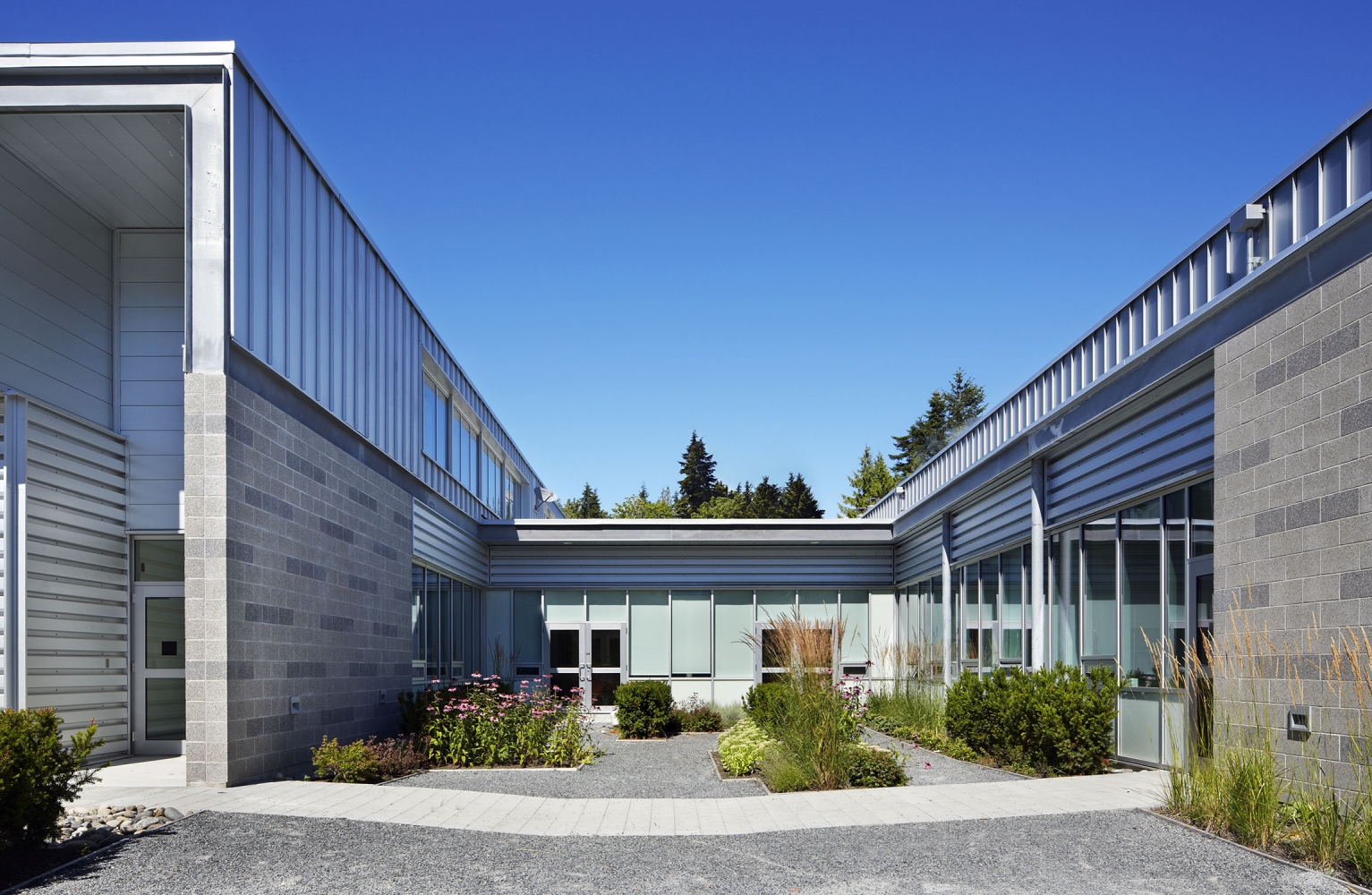
MIRF is located within the UBC Centre for Comparative Medicine (CCM) — the largest animal research facility in British Columbia — giving researchers direct access to shared infrastructure, on-site expertise, and integrated facilities all under one roof.
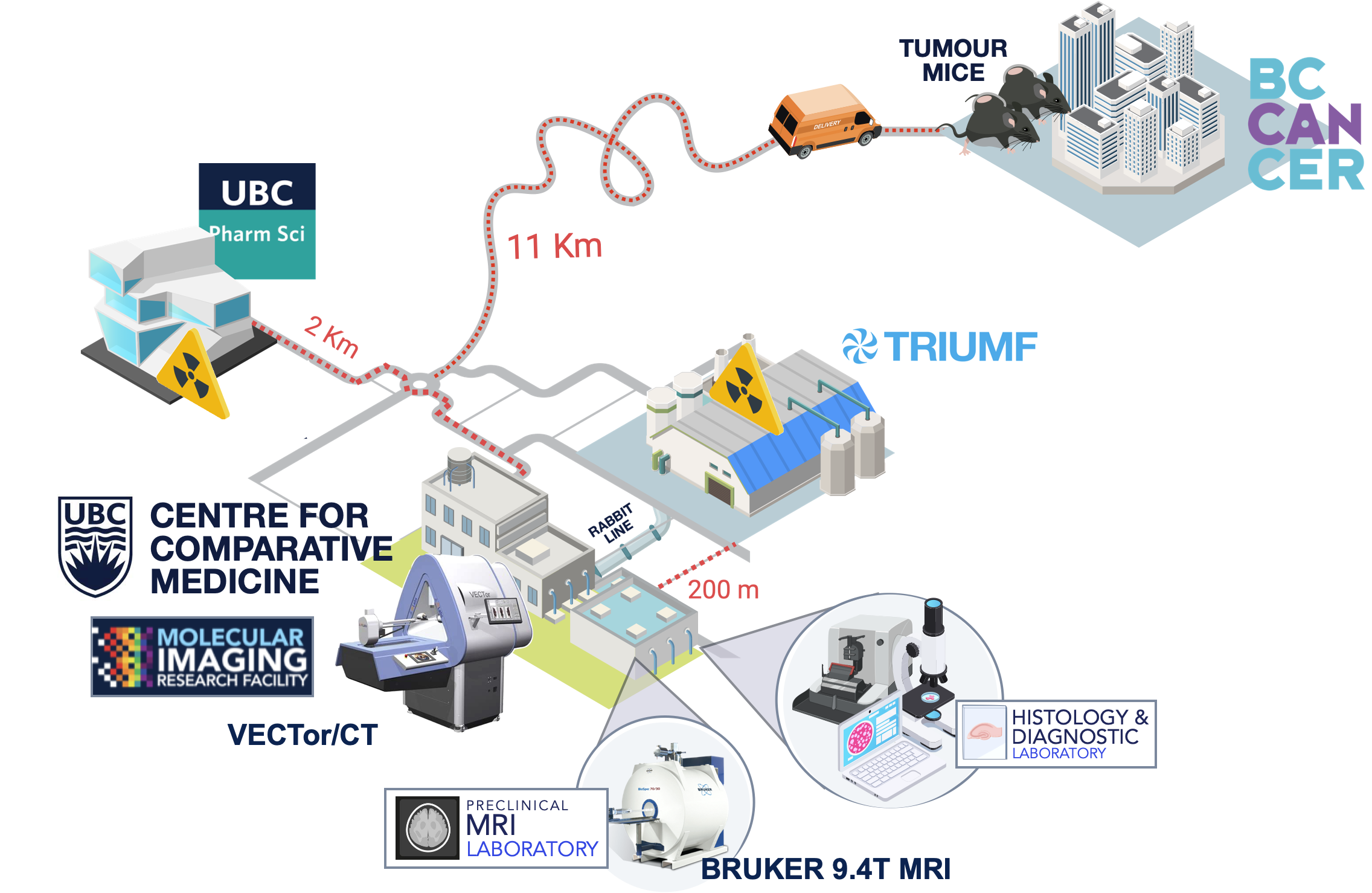
MIRF doesn't operate in isolation — it sits at the intersection of UBC's pharmaceutical sciences, TRIUMF's radioisotope production, BC Cancer's translational research, and on-site MRI and histology infrastructure. Strategic proximity is part of what makes the science possible.
Every preclinical imaging study at MIRF runs through a tightly integrated three-step pipeline: accurate radiotracer preparation, in vivo PET/SPECT/CT imaging, and quantitative ex vivo biodistribution. All three instruments are cross-calibrated so the data you get back is internally consistent.
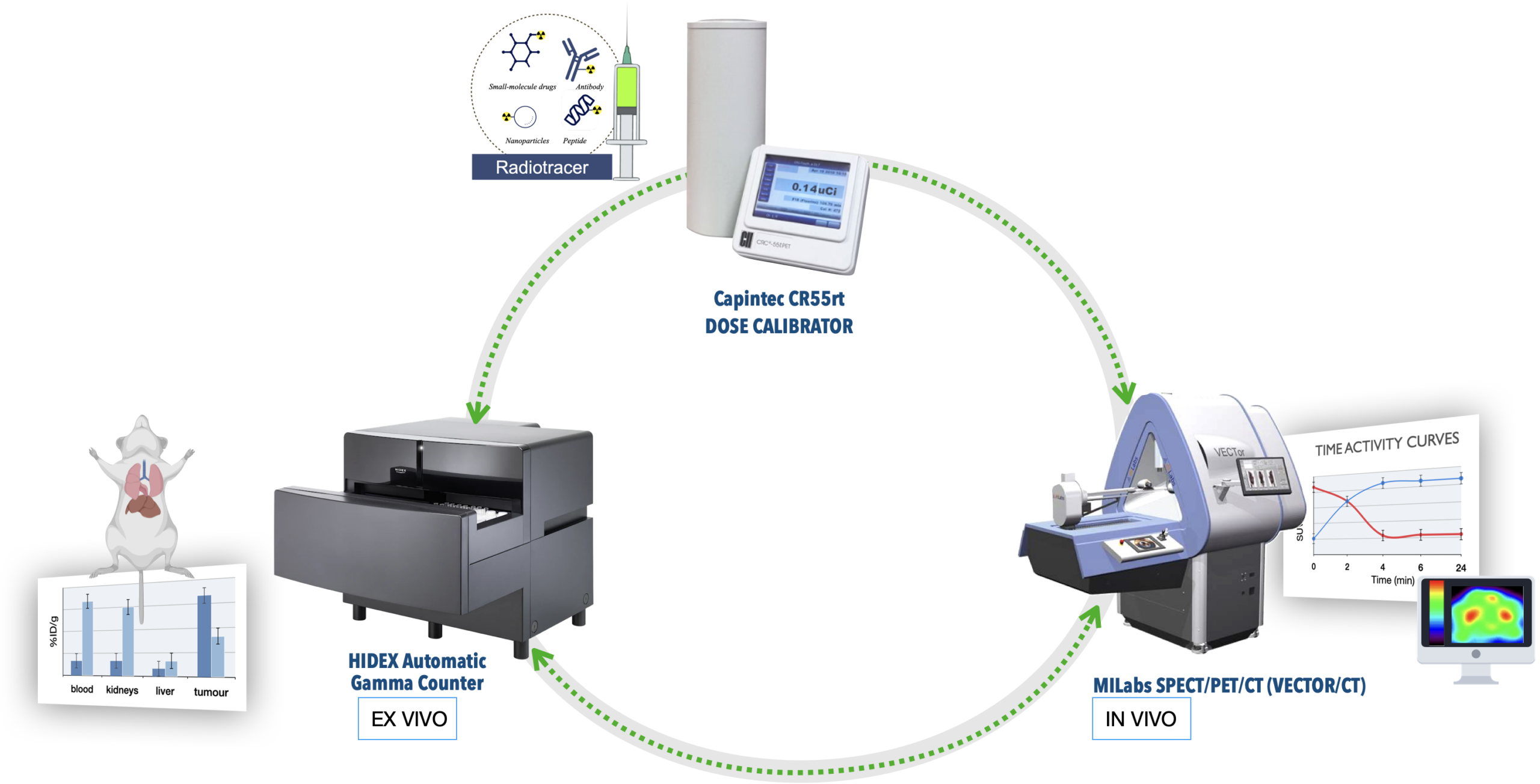
Last-generation dose calibrator for accurate radiotracer activity measurement before injection — and the cross-calibration anchor between in vivo and ex vivo data streams.
High-resolution in vivo imaging combining functional (PET / SPECT) and anatomical (CT) data — supports longitudinal biodistribution, pharmacokinetics, and time-activity curve analysis.
Quantifies biodistribution and dosimetry in ex vivo tissues and fluids — high-throughput screening of radiolabeled compounds for biodistribution and target efficacy studies.
A glimpse of the imaging suite, hot lab, and supporting equipment. For a full walkthrough, take the 360° virtual tour below.
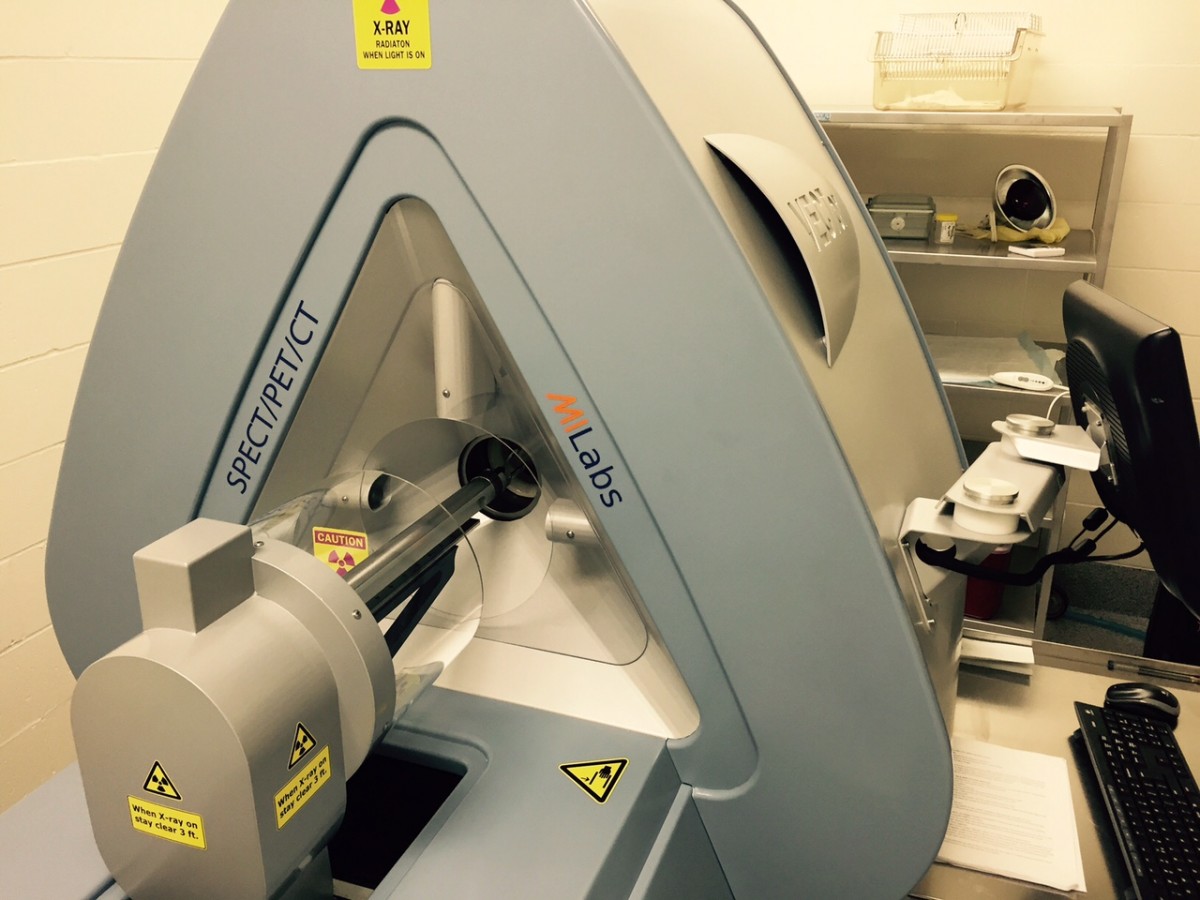
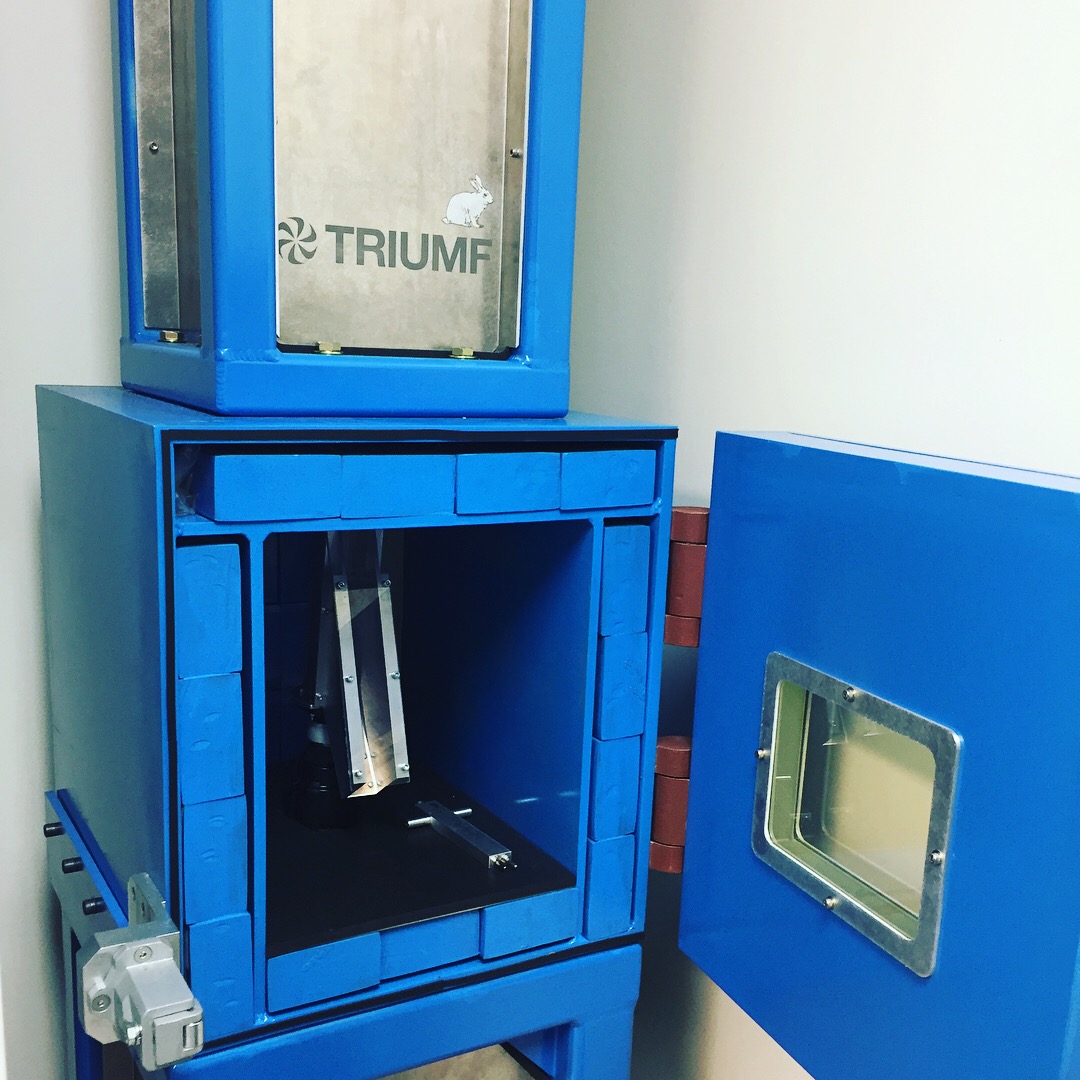
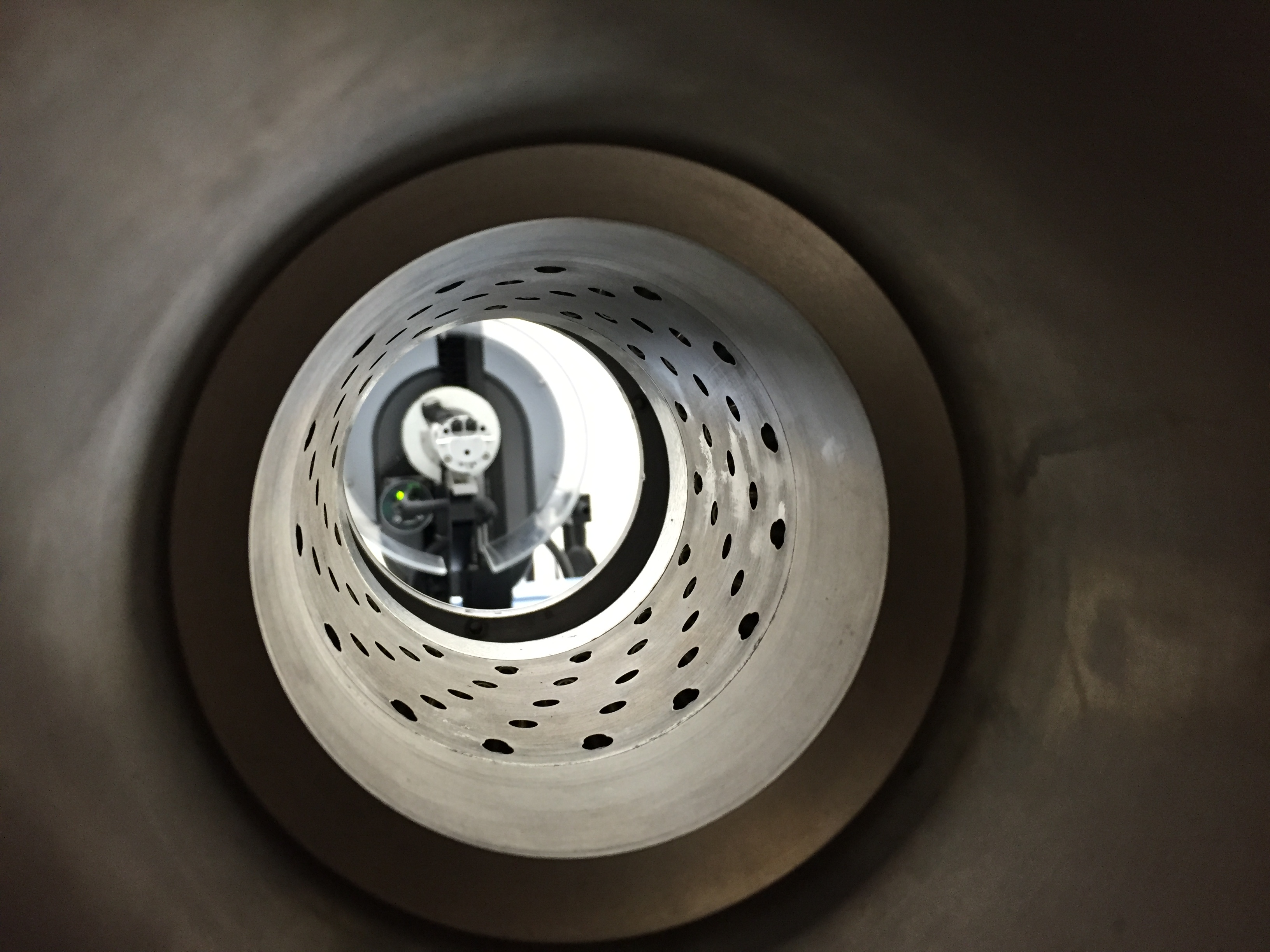
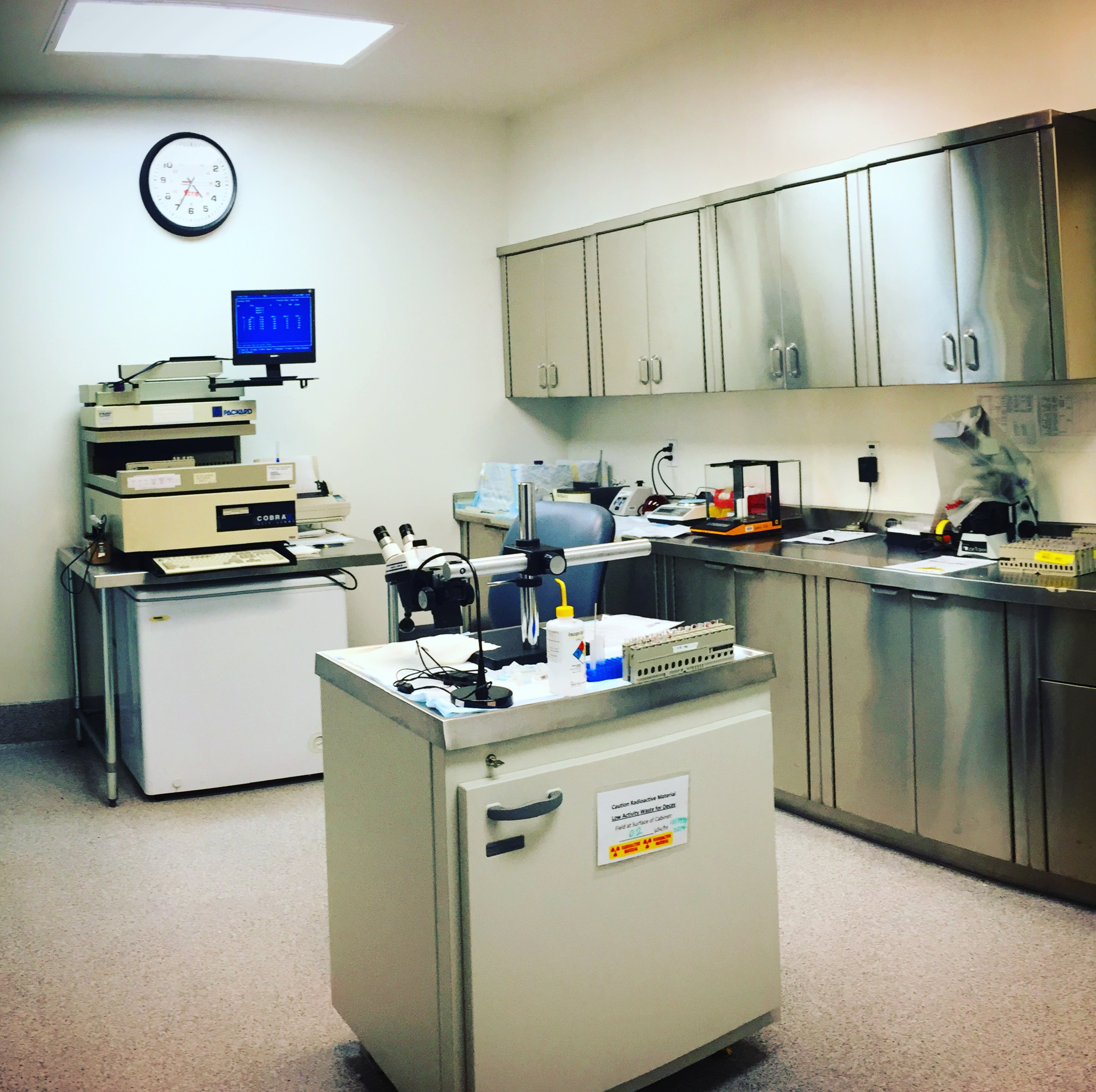
Around the three key imaging instruments sits the supporting infrastructure for safe radiopharmaceutical handling, animal preparation, quality control, blood/tissue analysis, contamination monitoring, and waste management — plus shared access to specialized TRIUMF instrumentation.
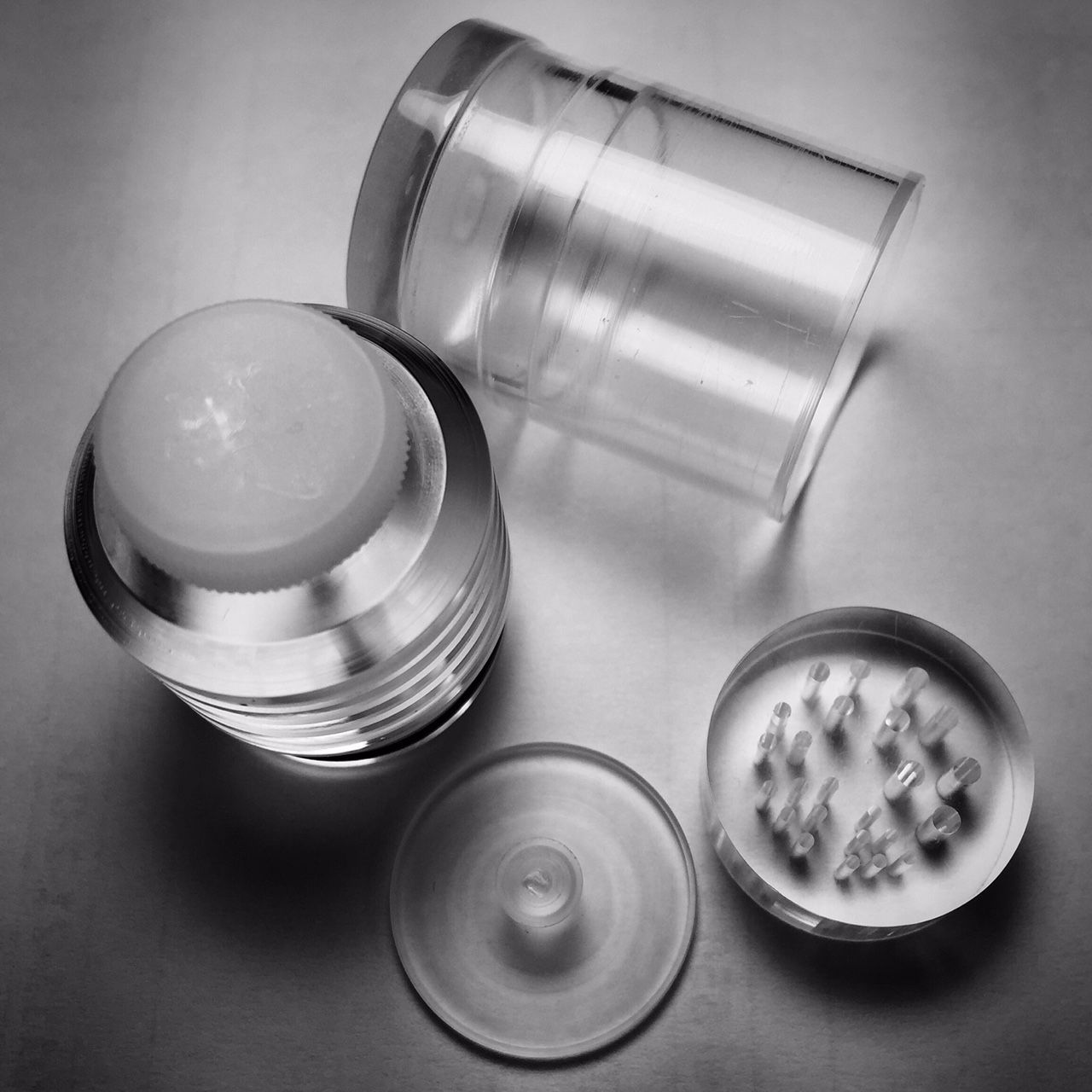
Dedicated fume hood for the safe preparation of radiopharmaceutical injections and imaging phantoms.
Isoflurane anesthesia, physiological support, and animal monitoring equipment to keep subjects stable throughout imaging sessions.
Class II cabinet for sterile injection prep, dosing, and tumour inoculation workflows. Cell culture is handled through collaborating UBC labs — typically the Biological Services Lab (UBC Chemistry) or TRIUMF. Collaborators who culture their own cells can bring them in for use at MIRF.
Bench-top centrifuges for cell-suspension preparation, washing, and concentration steps ahead of tumour inoculation and cell-tracer injection studies.
Access to dedicated housing rooms for both immunocompetent and immunocompromised mouse studies, including quarantine space for specialized animal handling requirements.
Reference sources for routine quality control, calibration verification, and stability checks across all instruments in the lab.
Measures clinical chemistry panels — glucose, electrolytes, liver and kidney function markers — on small-volume samples. Dedicated to radioactive blood, so PK and tox endpoints can be measured during ongoing PET/SPECT studies.
Complete blood counts and white-cell differentials from microliter samples — red cells, platelets, hemoglobin. Also dedicated to radioactive blood, enabling real-time hematological monitoring of new radiopharmaceuticals.
Underground hydraulic tube line delivering freshly produced radiotracers directly from TRIUMF to the MIRF lab in roughly 10 seconds.
Survey instruments for ongoing personnel and workspace contamination monitoring throughout every imaging session.
Shielded storage for radioactive waste management, decay-in-storage protocols, and safe disposal routing.
Access to histology laboratory infrastructure and technical expertise for tissue processing, sectioning, staining, and downstream correlation with in vivo imaging data.
Take an interactive 360° virtual tour of the MIRF imaging facility — see the scanner, the radiochemistry bench, the animal preparation area, and the supporting instrumentation, all without leaving your desk.
Take the 360° virtual tourThe lab is designed and operated under UBC's radiation safety framework. Workspaces are shielded, monitored, and routinely surveyed.
All researchers handling radioisotopes complete UBC's mandatory radiosafety certification before working in the lab — required for both visiting and resident personnel.
All projects at MIRF operate under approved UBC Animal Use Protocols (AUPs). Academic collaborators — from UBC and other academic institutions — are typically covered under MIRF's existing umbrella protocol, so no separate AUP submission is needed.
Industry partners need a project-specific AUP, but the MIRF team handles the application end-to-end — from ethics submission through approval — so you can focus on your research.
Pick the path that fits where you are — whether that's a casual look at the facility or an active project that needs imaging support.
See the lab and scanner first-hand — ~60-90 min on-site.
Request a tourTalk through feasibility and approach, or submit a study proposal when you're ready.
Start a conversationPHAR518, image data analysis, or one-on-one sessions with your data.
See training